- By Phoenix Roofing and Solar
- Uncategorized
- 0 Comment
What to Do After Storm Damage in Elyria, Ohio
Elyria, Ohio experiences severe weather throughout the year, from intense summer thunderstorms to powerful winter systems that can leave a mess across entire neighborhoods. When cleanup began after intense storms ripped through Elyria in recent years, thousands of homeowners were left wondering what steps to take first. This guide gives you a clear, actionable plan for handling storm damage in Elyria, Ohio, from the moment the wind dies down to the day your roof is repaired.
Key Takeaways
After severe storm damage in Elyria, Ohio, your first priority is making sure everyone in the home is safe. Then, carefully inspect the property from the ground, check inside for leaks, document the damage, take steps to prevent further water intrusion, and schedule a professional roof inspection in Lorain County.
Northeast Ohio storms regularly bring high winds, hail, heavy rain, and falling branches that can damage roofs, gutters, siding, and attic spaces, even when no interior leak is visible yet.
Roof storm damage in Elyria does not always require a full replacement. Many situations are resolved with targeted roof repair based on a professional storm damage roof inspection.
Thorough photos, notes, and contractor documentation can make storm damage insurance claims smoother when you contact your carrier.
Tornadoes can cause catastrophic structural damage in Lorain County, and flash flooding can overwhelm storm drains and municipal wastewater systems, making it important to take every storm seriously.
Elyria homeowners should contact a trusted local roofing company in Elyria, Ohio for emergency roof repair or a detailed roof inspection after major wind or hail events.
What Should You Do Immediately After a Severe Storm?
Here is an eight-step process that directly answers what Elyria homeowners should do in the first hours after a storm. Following these steps in order helps protect your family, your home, and your ability to file a successful insurance claim.
Make sure everyone is safe. Account for every person in the household. Check for injuries and move to a secure area if any part of the building feels unstable.
Stay away from fallen power lines and unstable trees. Downed powerlines should be treated as live and dangerous. Do not approach them, and call 911 or your utility company immediately. Reporting outages promptly is essential during severe weather events.
Inspect your property from the ground. Walk around the outside and look for missing shingles in the yard, damaged gutters, fallen branches, and siding issues without climbing onto the roof.
Check ceilings and the attic for water. Look for new stains, drips, damp insulation, or musty odors on the top floor and in accessible attic spaces.
Photograph visible damage. Take photos of every side of the home, close-ups of problem areas, and any debris that struck the house.
Take reasonable steps to prevent additional damage. Move furniture away from leaks, use buckets for drips, and arrange professional tarping if decking is exposed.
Schedule a professional roof inspection in Elyria. A qualified roofer can identify hidden wind and hail damage you cannot see from the ground.
Contact your homeowners insurance carrier when appropriate. Report the loss, get a claim number, and ask about your deductible and coverage details.
Picture a Sunday evening in Lorain County: strong wind gusts hit Northeast Ohio, power lines are down along your road, shingles are scattered across the yard, and water spots are appearing on second-floor ceilings. This scenario plays out regularly during spring and summer thunderstorms, as well as during intense cold fronts that push through the Cleveland area from the lake. A roof can sustain real damage without developing an immediate leak, so following these steps matters even when everything looks fine at first glance.
Step 1: Make Safety Your First Priority
No roof storm damage in Elyria is worth risking injury. Before you inspect anything, take a breath and do a quick safety check of your surroundings.
After high winds or hail, homeowners in Elyria and nearby communities like Lorain, North Ridgeville, and Amherst may encounter fallen power lines along residential streets, unstable or leaning trees, hanging branches over driveways, loose roofing materials on walkways, broken glass from windows, and damaged chimneys. Indoors, watch for sagging or water-saturated ceilings, standing water near outlets or electrical panels, and wet flooring that could cause slips.
Never climb onto a wet, damaged, or steep roof, especially at night or during ongoing rain. If you suspect live power lines or smell gas, call 911. Shut off power to visibly wet areas if you can safely reach the breaker panel, keep children and pets away from debris, and wait for a professional roofing contractor in Elyria to handle anything above ground level.
Step 2: Inspect Your Elyria Home From the Ground
Once the storm has passed and it is safe to go outside, you can perform a careful ground-level inspection. Use binoculars or your phone camera’s zoom feature rather than climbing a ladder.
Walk slowly around the entire property, including the front, back, and both sides. Look for:
Missing shingles or shingle fragments in the yard, backyard, or caught in landscaping
Lifted or curled shingles along roof edges
Fallen branches on the roof surface
Damaged, sagging, or detached gutters and downspouts
Loose fascia, soffit damage, or bent roof vents
Chimney caps knocked out of place
Siding cracks, dents, or missing panels
If you see several wind damaged shingles curled up along a west-facing slope, make a note of that direction and location for your roofer. Take photos of each side of the home, including close-ups from the ground of any suspicious areas. These images create a record that supports future storm damage documentation or a roof insurance claim.
Step 3: Check Your Attic and Interior for Water Intrusion
Many Elyria homeowners first notice storm damage because of interior signs rather than anything visible outside. Ceiling stains, damp insulation, and musty odors can appear even when the roof looked fine from the yard.
Walk each room on the top floor, checking for new ceiling discoloration, bubbling or peeling paint, damp drywall, warped trim, and moisture around windows or skylights. Then grab a flashlight and carefully inspect the attic. Look for wet or compacted insulation, damp roof decking, water trails on rafters, and moisture around chimneys or plumbing vents.
Water from a roof leak after a storm can travel along decking, framing, or wiring before showing up elsewhere. An interior water spot may not line up directly under the actual roof opening. Heavy rain can also lead to water intrusion into basements and lower parts of homes, so check those areas as well.
Photograph any interior damage and write down the storm date and when you first noticed moisture. This information helps with both repair planning and any storm damage insurance claim discussion.
Step 4: Look for Signs of Wind Damage
Wind damage in Elyria, Ohio is common during strong cold fronts and summer thunderstorms rolling in from Lake Erie. Hurricane-force winds have caused damage in Lorain County, and even moderate gusts of 60 to 77 mph have been recorded in recent years. Wind can damage shingles without tearing them completely off the roof.
From the ground, look for these visual clues:
Missing shingles or shingle tabs
Lifted or flapping shingle edges
Creased shingles along the bottom edge
Exposed nail heads where shingles shifted
Damaged ridge caps
Loose or displaced metal flashing around chimneys and walls
When wind breaks the seal strip on asphalt shingles, they may lie back down but remain compromised. That means they are far more likely to blow off or leak during the next Lorain County storm. Look for patterns like damage concentrated on a slope facing the prevailing wind direction, or a trail of shingles blown into neighboring yards.
Subtle wind damage, like slightly lifted shingles or partially torn nailing strips, is hard to spot without getting close. A qualified roofing contractor in Elyria can evaluate how many shingles are repairable versus how many need replacement.
Step 5: Look for Signs of Hail Damage
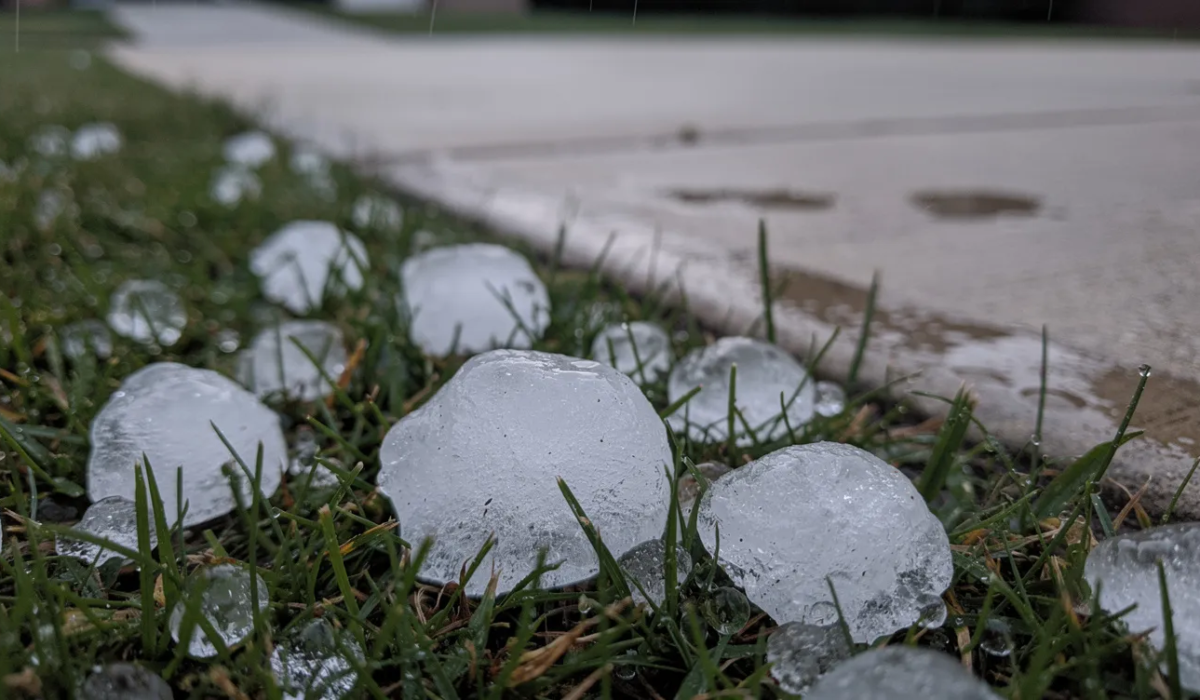
Hail damage in Elyria, Ohio and the rest of Northeast Ohio can range from minor cosmetic dents to serious roof impacts. Severe storms may drop hail ranging from quarter-sized to golf ball-sized, and Lorain County has recorded 90 hail reports since 2004, with the largest measuring 2.00 inches in diameter.
Start by checking surfaces that are easier to see from the ground:
Dents in metal gutters and downspouts
Dimples on aluminum siding
Tears in window screens
Chipped paint on trim and shutters
Impact marks on metal roof vents, flashing, and your car
When viewed up close by a roofer, hail damage to asphalt shingles may appear as circular or irregular dark spots where granules are knocked away, exposing underlying asphalt, or as crushed and bruised shingle surfaces with clusters of impacts on one side of the roof.
Accurately identifying hail damage from ground level is difficult. Do not climb on the roof to hunt for hail impacts. Instead, schedule a professional roof inspection in Elyria if you see hail evidence on other surfaces. Patterns of damage on cars, fences, and mailboxes in the neighborhood can support the likelihood of hail exposure for Lorain County storm damage insurance discussions, even when roof damage is subtle.
Step 6: Inspect Gutters, Siding, Fascia, and Soffit
A complete assessment of storm damage in Elyria, Ohio should go beyond shingles. Wind and hail frequently harm gutters, siding, fascia, and soffit, all of which can contribute to leaks and long-term moisture problems.
Damage to these components also helps roofers reconstruct what happened during the storm, such as wind direction, hail size, and debris impact points. This information can be useful when documenting a storm damage roof repair plan.
Gutters and Downspouts
Look for dents from hail, sections sagging or pulled away from the fascia, joints separated at corners, and downspouts crushed by fallen branches. Clogged or damaged gutters can cause water to overflow and run behind siding or back up onto the roof edge, increasing the risk of leaks and ice dams during Northeast Ohio freeze-thaw cycles.
Check for granule buildup at the bottom of downspouts, which is a possible sign of hail damage to shingles. Note any areas where water poured over the gutter during heavy Elyria rains, and include gutter issues in both repair estimates and insurance claim documentation.
Siding
Common siding problems after wind or hail include cracked vinyl panels, broken corners, puncture holes from wind-driven debris, loose or missing sections, and impact spots where hailstones struck. Walk the perimeter and examine walls that faced the strongest winds or the direction from which the storm moved through Lorain County.
Document each damaged area with clear photos and notes about height and location, such as “north wall, around the living room window.” Even minor siding damage can allow water or pests to enter wall cavities over time.
Fascia and Soffit
Fascia is the vertical trim behind the gutters, and soffit is the underside of roof overhangs. Both are important for roof ventilation and the finished appearance of the building.
Storm-related issues include loose or missing pieces, warped panels from water saturation, holes from falling branches, and sections hanging down or rattling in the wind. Damaged fascia and soffit can create paths for water intrusion into roof framing and attic spaces, especially during heavy storms that push rain up under the eaves. If you notice birds, squirrels, or daylight entering the eaves after a storm, share those details with your roofing contractor during the inspection.
Step 7: Document Everything Before Permanent Repairs
Good documentation, including photos, dates, notes, and contractor reports, can make storm damage insurance conversations smoother and help avoid confusion later.
Photograph all four sides of the home and major roof slopes visible from the ground.
Take close-ups of missing shingles in the yard, damaged gutters, siding, interior ceiling stains, and any fallen tree or limb that struck the house.
Keep a simple storm file (paper or digital) that includes the storm date, weather details if known, repair estimates, inspection reports, invoices, and receipts for temporary measures like tarping or dehumidifier rentals.
Documenting the condition of the roof and exterior before and after repairs also helps future buyers understand the history of roof storm damage and how it was handled. Do not discard damaged shingles, gutter sections, or fascia until the roofer and, if applicable, the insurance adjuster have had a chance to inspect or review photographs. Published weather reports from the National Weather Service Cleveland office can also support your records by confirming storm time, wind speed, and hail size.
Step 8: Prevent Additional Water Damage
After a storm, homeowners are generally expected to take reasonable steps to prevent further damage without putting themselves at risk or attempting permanent repairs they are not qualified to perform.
Practical indoor mitigation steps include:
Moving furniture and electronics away from active leaks
Placing buckets or pans under dripping areas
Covering valuables with plastic sheeting
Using towels or a wet/dry vacuum to pick up standing water
If roof decking is exposed, large shingle sections are missing, or there is a roof puncture from fallen tree roof damage, an emergency roof repair service in Elyria may need to professionally tarp the affected area. Do not attempt to climb onto a steep, wet, or storm-damaged roof to install a tarp yourself. Instead, contact a roofing company in Elyria, Ohio that offers emergency services.
Run fans or a dehumidifier in damp rooms and monitor ceilings and walls over the next 24 to 48 hours for new stains or swelling that may indicate hidden leaks.
When Does a Storm-Damaged Roof Need Emergency Tarping?
Emergency tarping is a temporary solution used to limit water intrusion until permanent storm damage roof repair can be completed. It is not a substitute for a full diagnostic inspection and permanent repairs.
Tarping is typically appropriate when:
Exposed roof decking is visible from the yard
Large areas of shingles are missing after a strong wind event
Tree branches have punctured the roof
Structural openings allow daylight into the attic
Active, heavy water intrusion is occurring with multiple ceiling leaks
A professional roofer in Elyria will use proper fall protection, secure the tarp to solid framing or decking rather than loose shingles, and document the temporary repair for the homeowner’s records. If another band of storms is forecast for Northeast Ohio in the next day or two, getting a tarp in place quickly can prevent the mess from getting significantly worse.
Why Your Roof Should Be Inspected Even If It Isn’t Leaking
Many homes in Elyria show no interior leaks immediately after a storm, yet still have hidden wind or hail damage that can shorten roof life or lead to future problems.
Roofers look for lifted or creased shingles whose seals have failed, hail bruises that loosen granules over time, cracked pipe boots around plumbing vents, damaged ridge caps, and loose flashing at walls, chimneys, or skylights. Northeast Ohio’s weather, with repeated freeze-thaw cycles, lake-effect snow, and spring thunderstorms, can turn marginal storm damage into active leaks as materials expand, contract, and shift.
A professional roof inspection in Elyria after notable storm damage documents the roof’s condition at a specific point in time. A reputable roofing contractor will not automatically recommend replacement. Instead, they will distinguish between issues that warrant repair, monitoring, or, when warranted, full replacement based on age and overall condition.
Homeowners can prepare by trimming trees, securing outdoor items, and maintaining drainage systems before the next storm season, but a post-storm inspection is the best way to catch what those precautions cannot prevent.
What Does a Professional Storm Damage Roof Inspection Include?
A thorough storm damage roof inspection in Elyria is a systematic process that evaluates the entire roofing system, not just the easily visible shingles.
On the exterior, a roofer examines shingles, ridge caps, valleys, chimneys, step and counter-flashing, pipe boots, skylights, roof vents, gutters, downspouts, fascia, soffit, and visible siding. When accessible, the inspector also checks roof decking from the attic, looking for moisture staining, active drips, mold growth, or structural concerns.
The roofer takes detailed photos of any storm-related issues and prepares written documentation with repair recommendations. This inspection report helps homeowners decide whether to pursue repair, replacement, or an insurance claim, with a clear explanation of findings in homeowner-friendly terms.
Roof Repair vs. Roof Replacement After Storm Damage
Not every case of storm damage in Elyria, Ohio leads to a full roof replacement. Often, targeted roof repair is sufficient when damage is limited and the roof is otherwise in good shape.
Roof Repair May Make Sense When | Roof Replacement May Need to Be Considered When |
|---|---|
Damage is isolated to one area or slope | Damage is widespread across multiple slopes |
Shingles are relatively new and still available | Shingles are near the end of their expected 20–25 year service life |
The rest of the roof is performing well | Multiple leaks exist in different areas |
The affected section can be permanently repaired | Significant decking damage or rot is present |
Matching materials can be sourced | Roofing materials are discontinued or severely deteriorated |
The decision should be based on roof age, extent and pattern of damage, material availability, and safety. A trusted roofing company in Elyria, Ohio will explain why repair or replacement is being recommended, so you can make an informed choice.
Should You Call a Roofer or Your Insurance Company First?
There is no single correct order for every situation. Many Elyria homeowners find it helpful to have a roofer’s assessment in hand when speaking with their insurance carrier about a possible storm damage insurance claim.
Here is how to think about the roles:
Roofing contractors identify and document physical storm damage, estimate repair or replacement costs, and explain technical findings.
Insurance carriers interpret the policy, determine coverage, and issue any payments owed under the contract.
If obvious, major damage is visible, like a tree through the roof or large sections of missing shingles, notify your insurer promptly while also scheduling an emergency roof inspection. For more subtle or uncertain situations, such as possible hail impacts or minor wind damage, consider scheduling a professional inspection first to learn whether there is significant damage before deciding whether to file a claim.
Review your homeowners insurance policy for reporting timelines, deductibles, and coverage details. Keep your own notes from both the roofer and adjuster visits for reference.
Understanding the Storm Damage Insurance Claim Process
This section breaks down key insurance terms in plain English and outlines what Elyria homeowners can typically expect during a storm damage insurance claim.
The process often includes filing a claim with your carrier, an adjuster inspection, reviewing repair or replacement estimates from a roofing contractor, and possibly supplements if additional covered damage is discovered during repairs. Homeowners should not assume every storm automatically results in a paid claim or full roof replacement. Coverage decisions are made by the insurance company according to the specific policy. Code-related upgrades, like modern ventilation or flashing requirements, may or may not be covered depending on policy language, so ask your carrier about those items.
Deductible
A deductible is the portion of a covered loss that you pay out of pocket before insurance contributes. Some policies in Northeast Ohio have separate deductibles for wind or hail damage, which may be a flat dollar amount or a percentage of the home’s insured value.
Check your policy documents to confirm your deductible. Factor this into the decision about whether filing a storm damage insurance claim makes financial sense for smaller repair needs.
Actual Cash Value (ACV)
ACV is the estimated value of damaged roof components after depreciation for age and wear, not the full cost to replace with new materials.
Under an ACV-only policy, the insurer may pay up to the ACV amount minus your deductible, leaving you responsible for any difference between that payment and actual repair costs. For example, if an asphalt shingle roof in Elyria is halfway through its expected 25-year service life, the insurer might depreciate the shingles by roughly 50 percent when calculating ACV.
Replacement Cost Value (RCV)
RCV is the estimated amount needed to replace damaged property with comparable new materials, subject to policy terms and limits.
Many RCV policies initially pay ACV, then may release additional funds after qualifying repairs are completed and documented. Keep detailed invoices and proof of completed work from your roofing company to support any request for additional replacement-cost payments when applicable.
Recoverable Depreciation
Recoverable depreciation is the portion of the RCV payment initially withheld by the insurer, which may be paid later if policy conditions are met and you complete covered repairs.
Not all policies include recoverable depreciation, and specific rules vary by carrier. Ask your adjuster how depreciation works on your claim. Keep open communication among yourself, the roofer, and the adjuster, sharing updated estimates or supplemental documentation if additional covered damage is found during storm damage roof repair.
Common Mistakes Elyria Homeowners Make After a Storm
Avoiding a few common pitfalls can save time, money, and frustration after significant Northeast Ohio storm damage.
Waiting until the roof is leaking badly before calling a roofer. By that time, what looked like minor damage may have caused thousands of dollars in interior water damage.
Climbing onto a storm-damaged roof without proper safety equipment. It is hard to overstate how dangerous a wet or debris-covered roof can be.
Assuming only missing shingles count as wind damage. Lifted, creased, or unsealed shingles are also compromised and should be evaluated.
Overlooking attic moisture or subtle ceiling stains that appear days after the storm.
Throwing away damaged materials before taking photos or before the adjuster has looked at them.
Making permanent repairs without recording pre-repair conditions, which can complicate an insurance claim.
Hiring a contractor solely because they showed up knocking on the door right after the storm. Out-of-area crews with no local presence in Lorain County may not be around if warranty issues arise later.
Signing confusing contracts without reading them or understanding the rights and obligations they create.
Assuming insurance will automatically pay for a full roof replacement. Coverage is based on actual damage and policy terms, not on the severity of the storm alone.
Residents can drop off storm debris at the Barnes Compost Center in Elyria, which helps manage yard waste and keeps cleanup moving after major events.
How to Choose a Roofing Contractor After a Severe Storm
After large Lorain County storm damage events, a surge of roofing offers often follows. Selecting a reputable local roofing company in Elyria, Ohio is one of the most important decisions you will make in the repair process.
Look for contractors who:
Have a physical presence in or near Elyria
Carry proper liability and workers’ compensation insurance
Have an established track record with reviews from local people
Provide detailed storm damage roof inspections with photos
Offer clear written estimates and explain repair versus replacement options
Are familiar with documenting damage for insurance adjusters
Ask about manufacturer certifications, workmanship warranties, and experience with wind and hail damage in Elyria, Ohio. Avoid high-pressure sales tactics, demands for full payment upfront, or vague promises about guaranteed insurance outcomes. A contractor who offers a free inspection and gives you time to make a decision is generally more trustworthy than one pressuring you to sign today.
Severe Storm Checklist for Elyria Homeowners
This checklist is designed for homes in Elyria and surrounding Lorain County communities. Keep it somewhere accessible so you can follow it quickly after high winds, hail, or heavy rain.
☐ Confirm everyone is safe
☐ Check for fallen power lines and unstable trees
☐ Inspect the property from the ground
☐ Look for shingles in the yard
☐ Check gutters and downspouts
☐ Inspect siding, fascia, and soffit
☐ Check ceilings for water stains
☐ Inspect accessible attic areas
☐ Photograph visible damage from every angle
☐ Save damaged materials when practical
☐ Protect the interior from active leaks
☐ Arrange professional emergency tarping when necessary
☐ Schedule a professional roof inspection
☐ Review your homeowners insurance policy
☐ Contact your insurance carrier when appropriate
☐ Save all photos, reports, estimates, invoices, and receipts
Frequently Asked Questions About Storm Damage in Elyria
These questions address additional concerns Elyria homeowners often have beyond the step-by-step process covered above.
How soon should I have my roof inspected after a storm in Elyria?
Schedule a roof inspection as soon as practical after noticeable high winds, hail, or new ceiling stains, ideally within a few days. This is especially important if more Northeast Ohio storms are forecast. Quick inspections catch hidden issues early, reduce the risk of additional water damage, and provide timely documentation if an insurance claim is later filed.
What if a neighbor’s tree falls on my roof?
Prioritize safety first. Call emergency services if power lines are involved, document the damage with photos, and contact both your own insurance carrier and a roofing contractor in Elyria for emergency assistance. Responsibility and coverage often depend on individual policies and circumstances, so your insurer will advise on how the claim is handled.
Can a small roof leak wait until next season?
Even small leaks can lead to mold growth, insulation damage, and structural issues over time. A bad leak that goes unaddressed through a full Northeast Ohio winter can cause far more damage than the original storm. Have a professional roofer assess the source and severity before deciding on timing for repairs.
How often should I re-check my home after a major storm?
Re-check ceilings, attic areas, and exterior walls over the next several days, especially after subsequent rain. Some leaks appear with a delay as water finds new paths along framing. Mark new stains or damp spots with painter’s tape or dated phone photos to track changes over time.
Do Elyria roofing companies work with homes outside the city limits?
Many roofing companies based in Elyria routinely serve nearby Lorain County communities such as Lorain, North Ridgeville, Amherst, Sheffield, and Grafton. Confirm the service area when calling. Choosing a contractor familiar with local weather patterns and building codes helps ensure appropriately designed storm damage roof repair solutions.
Does homeowners insurance cover wind and hail damage?
Most standard homeowners policies in Ohio cover wind and hail damage, but deductibles and coverage details vary. Some policies have separate wind or hail deductibles. Review your policy or call your carrier to understand what is covered and what your out-of-pocket cost would be before filing a claim. The copyright on your policy documents belongs to your insurer, but you have every right to request a full copy for your records.
Call to Action for Elyria and Lorain County Homeowners
If your Elyria home was recently hit by high winds, hail, heavy rain, or fallen branches, do not wait for a small problem to turn into a costly repair. A local, trusted roofing company in Elyria, Ohio can safely assess hidden damage, provide photo-backed recommendations for repair or replacement, and offer emergency roof repair when urgent issues are found.
Contact Elyria Roofing Company by phone or through the website to schedule a professional storm damage roof inspection at a time that works for you. The sooner you have your roof looked at by qualified crews, the sooner you can close the door on storm-related worry and get back to focusing on what matters.